Guardian of the Sea
🌑 Setting & Theme
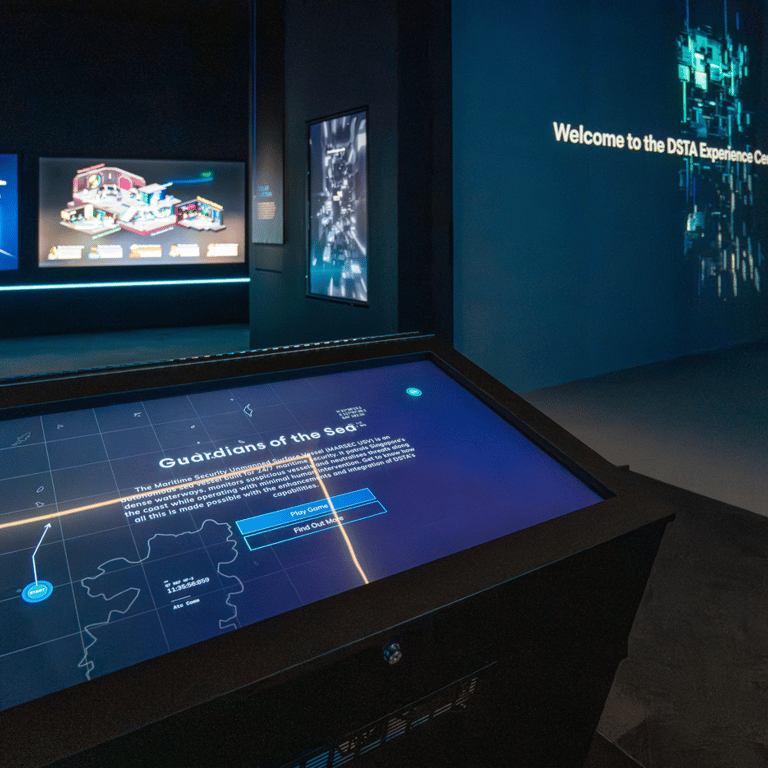
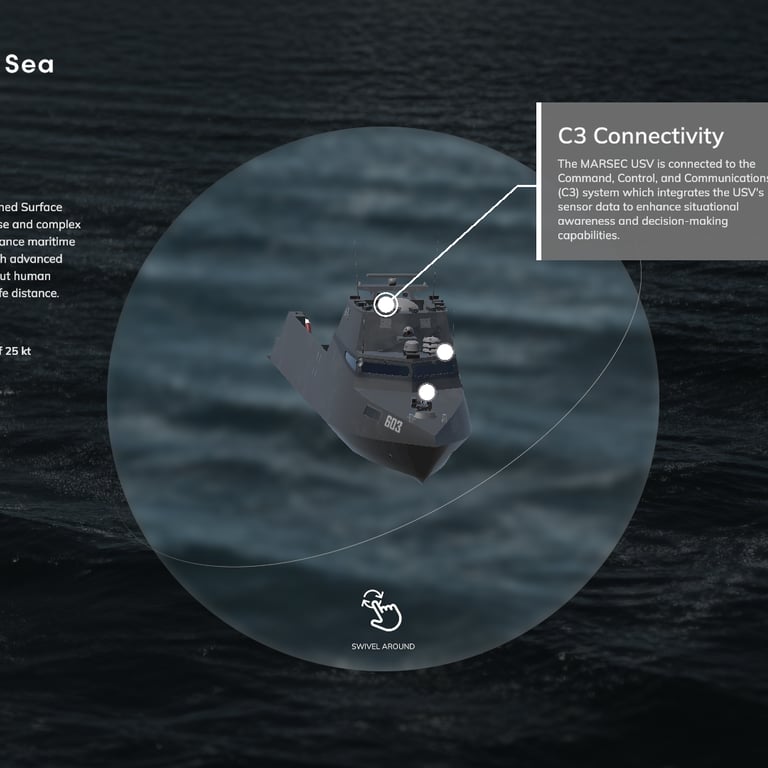
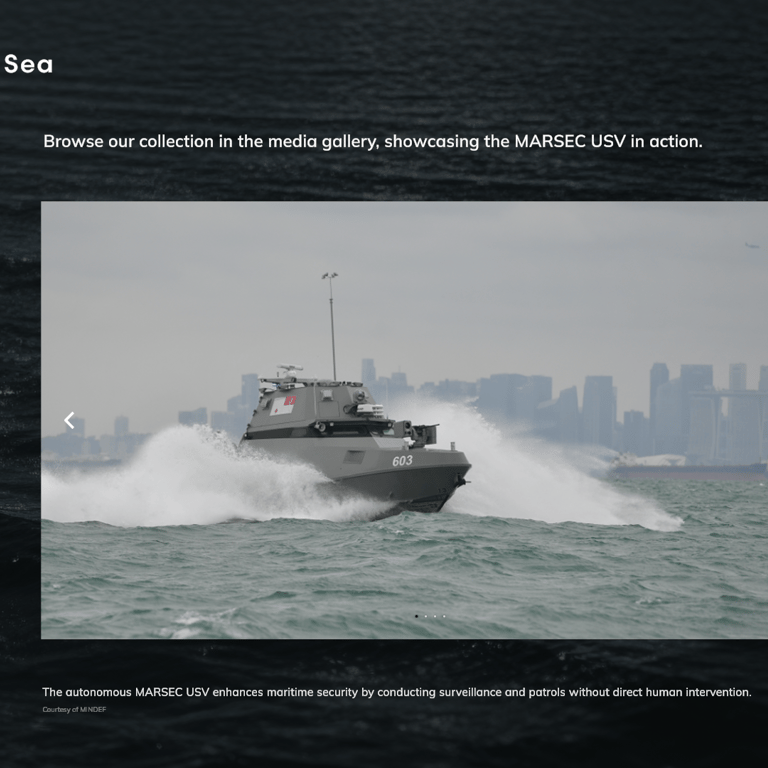
Tactical Maritime Operations: The app is a high-fidelity simulation centered on Unmanned Surface Vessels (USVs). It is set in a maritime environment where players take on the role of a mission planner for autonomous naval vessels.
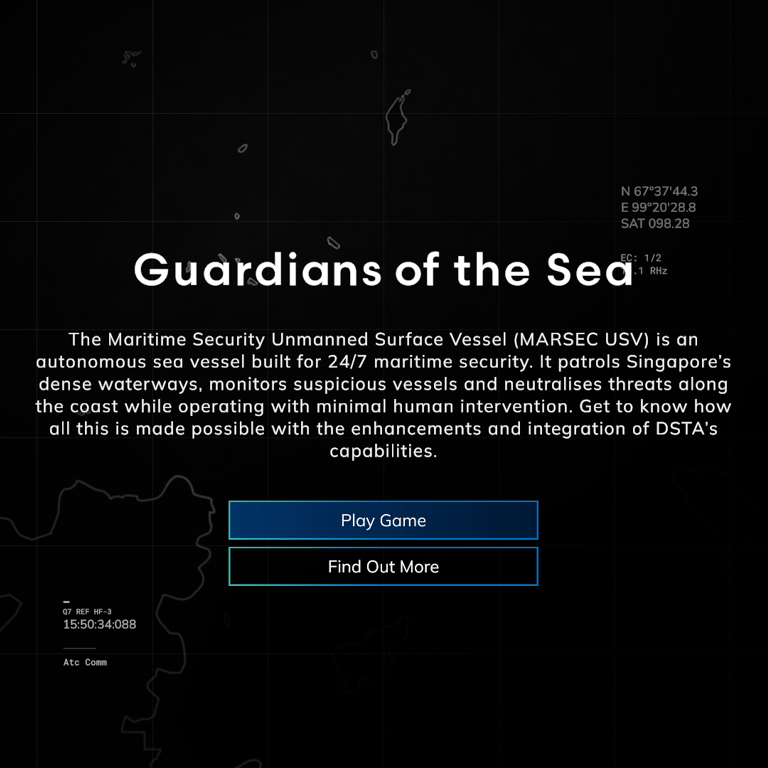
Professional/Defense Context: Developed in association with DSTA (Defence Science and Technology Agency), the app has a "Command and Control" (C2) aesthetic. It features a modern, tactical UI with high-resolution (4K) maritime maps, technical overlays, and mission-critical data displays.
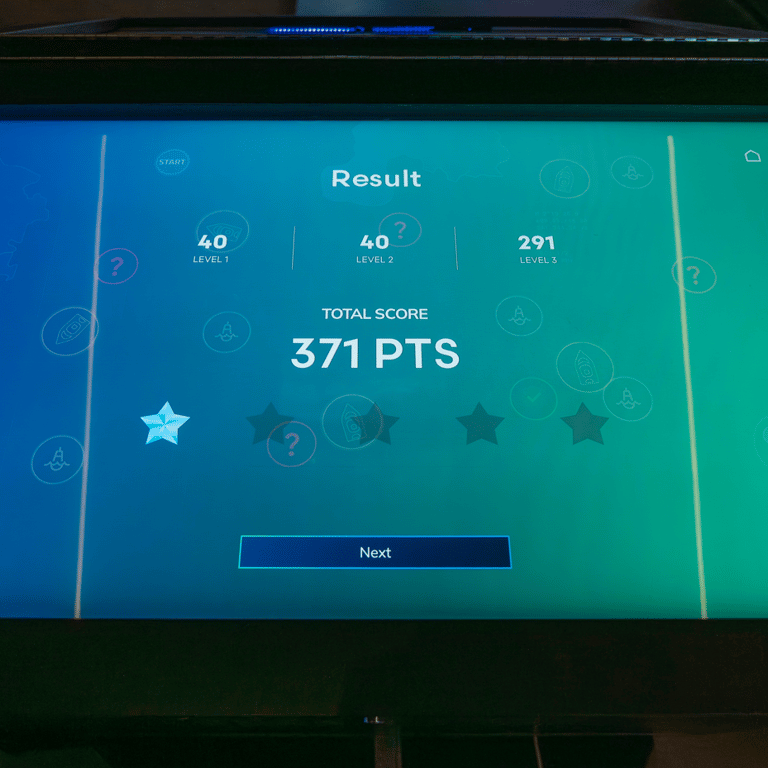
Progressive Missions: The theme is structured around mission readiness, starting with a comprehensive tutorial and progressing through three levels of increasing complexity, each representing a different tactical scenario.

🎮 Gameplay & Mechanics
Multi-Phase Mission Flow:
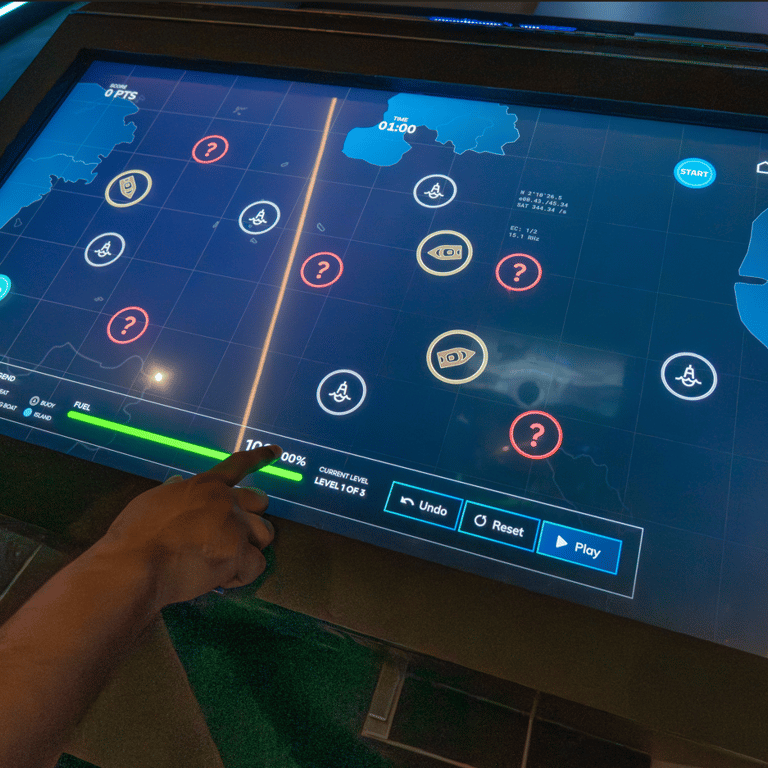
Memorization Phase: Missions begin with a high-stakes "Memorize Phase." Players have a limited time (e.g., 10 seconds) to observe the locations of threats and obstacles before they become partially hidden or obscured.
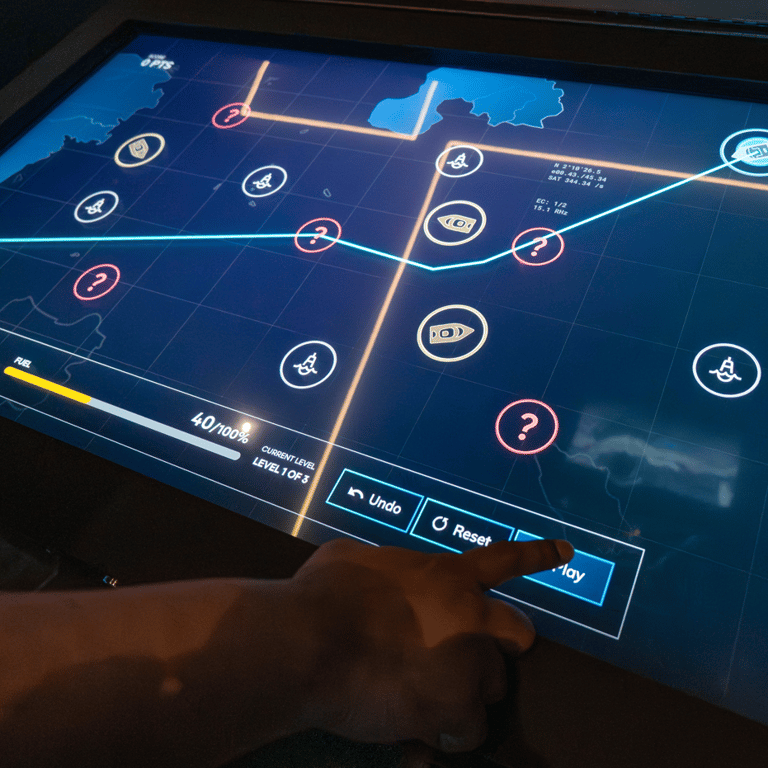
Path Planning (Pre-Simulation): Players must draw a safe navigation route from a starting point to a destination. This phase introduces Resource Management, as path length is limited by the vessel's Fuel Level.
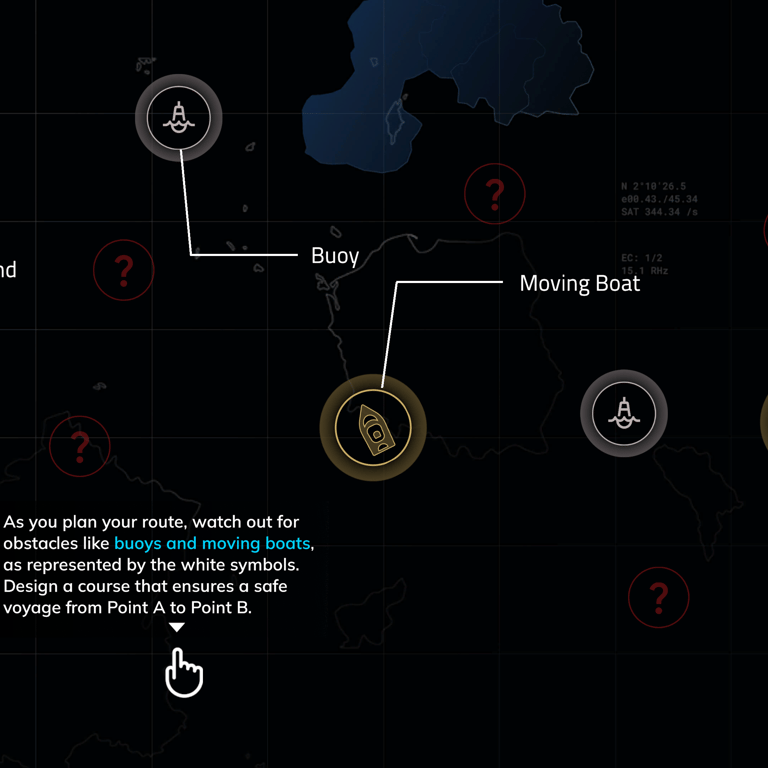
Active Simulation: Once the path is set, the USV autonomously executes the mission. The simulation tracks real-time interactions with the environment, including avoiding static buoys and dynamic moving boats.
Obstacles & Threats:
Environmental Hazards: Static buoys and other vessels serve as physical obstacles that the player must navigate around.
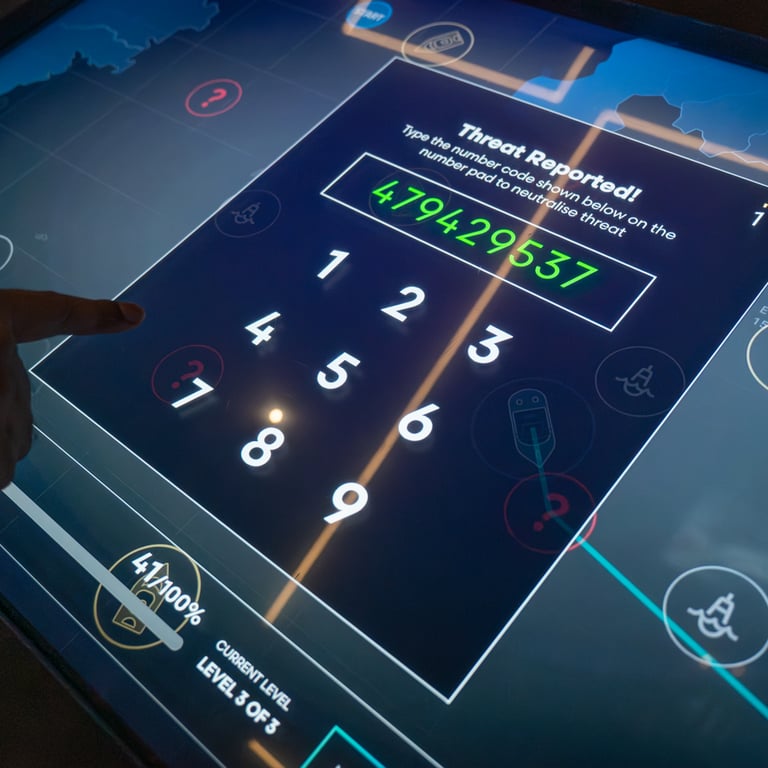
Tactical Threats: Special entities (Threats 1–5) appear throughout the mission. Encountering these triggers a "Threat Assessment" event.
💬 Player Interaction
Intuitive Touch/Mouse Controls: The app is designed for touchscreen or mouse interaction, allowing players to fluidly draw navigation paths directly onto the map using a polyline system.
Mission Control Interface: Players have access to a set of tactical buttons:
Play: Initiates the autonomous simulation.
Undo/Reset: Allows for iterative path refinement.
Threat Assessment: Triggered manually or automatically when the USV encounters a tactical entity.